A research project · Western University and partners across Canada
The History of Western Philosophy of Language
More than two thousand years of philosophical work on meaning, mind and language. Not just Frege and Russell.
Aristotle, c. 350 BCE
De Interpretatione
Ockham, c. 1323
Summa Logicae
Locke, 1689
Essay
Frege, 1892
the usual starting point
The problem
Tell a colleague you work on the history of philosophy of language, and they ask: “Frege or Russell?”
Epistemologists rarely teach or research without considering Plato or Descartes. Political philosophers rarely lecture without discussing Hobbes or Locke. Yet the history of philosophy of language is often overlooked, or treated as if it began in the late nineteenth century. That view neglects more than two millennia of philosophical reflection on language.
New knowledge
Novel historical and philosophical work on meaning, on the connections among mind, world and language, and on the metaphysics of language: at least three journal articles and two co-authored books.
New capacity
Training students, and bringing colleagues who work on contemporary philosophy of language or on other areas of history to recognize the impact research into the pre-Fregean history of philosophy of language can have on contemporary as well as historical understandings of the philosophy of language. In time, a recognized sub-discipline, with Canada as a centre of excellence.
Four voices, twenty-three centuries
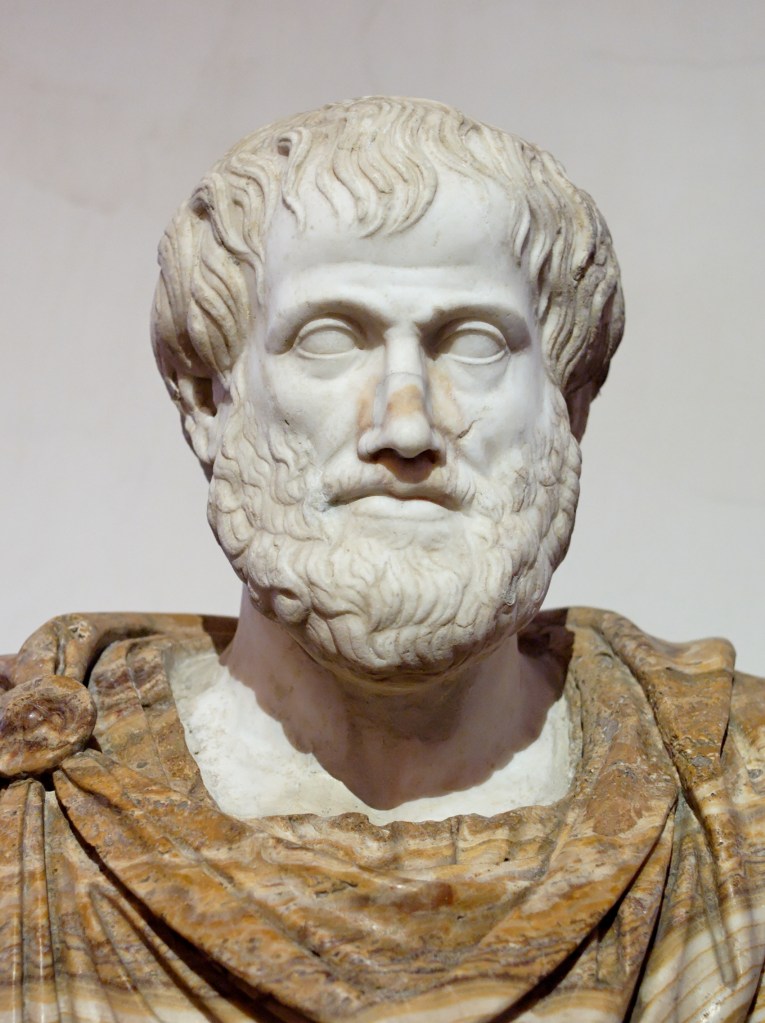
Aristotle. Words get their meaning by being paired with mental representations (De Interpretatione).
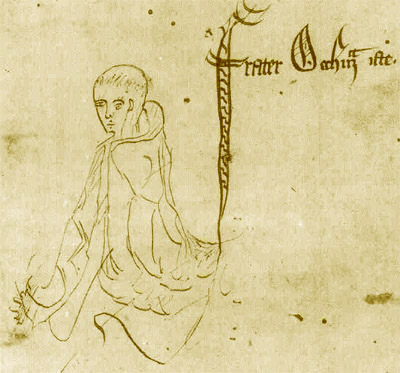
William of Ockham. The logic and semantics of a language of thought (Summa Logicae).
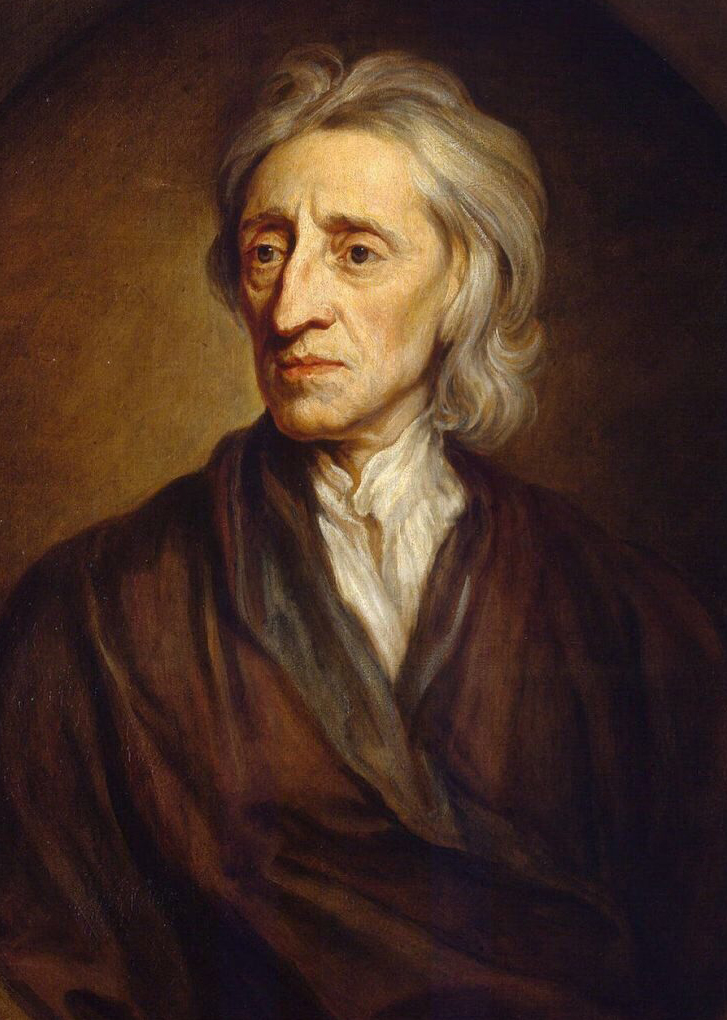
John Locke. Ideas come first; words get meaning by standing for them (Essay, 1689).
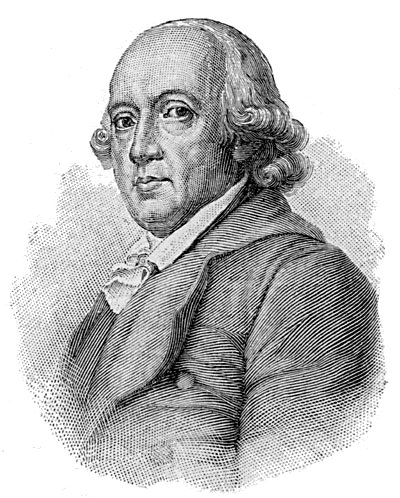
J. G. Herder. The German Enlightenment turns that order on its head: language shapes thought.
Images: Wikimedia Commons, public domain (licence details to be confirmed before publication).
The project →
Three themes (meaning, mind–language–world relations, and the metaphysics of languages), pursued from the Ancient Greeks to the nineteenth century.
The team →
Thirteen scholars at universities in British Columbia, Alberta, Ontario, Quebec and Newfoundland, with expertise from Plato to Mill, and from Sanskrit grammar to formal semantics.
Students →
Doctoral research assistantships, advanced undergraduate roles, and graduate seminars on the history of philosophy of language.
Now open: call for PhD expressions of interest
HOWPOL
The History of Western Philosophy of Language. A research project based at Western University, London, Ontario, with collaborators across Canada.
Benjamin Hill · bhill28@uwo.ca
Robert Stainton · rstainto@uwo.ca
Funding status: an application to the Social Sciences and Humanities Research Council of Canada (SSHRC) is under review. Activities described as planned depend on that funding.

